Home Hydroponics Made Simple: How to Grow Fresh Food at Home, Step by Step
- By Hydro-Farms.com
- Comments are off
Hydroponics is transforming the way people grow food at home. Instead of relying on soil, hydroponic systems use water enriched with nutrients to grow plants in a clean, controlled environment. This method allows anyone—regardless of gardening experience—to grow fresh leafy greens, herbs, and even berries indoors.
Whether you live in an apartment or a house, hydroponics makes it possible to produce food year-round using limited space and water. This guide explains what hydroponics is, how to start at home, what equipment you need, and how to choose the right plants and consumables—without technical jargon or complexity.
Understanding Hydroponics and Choosing the Right Home Setup
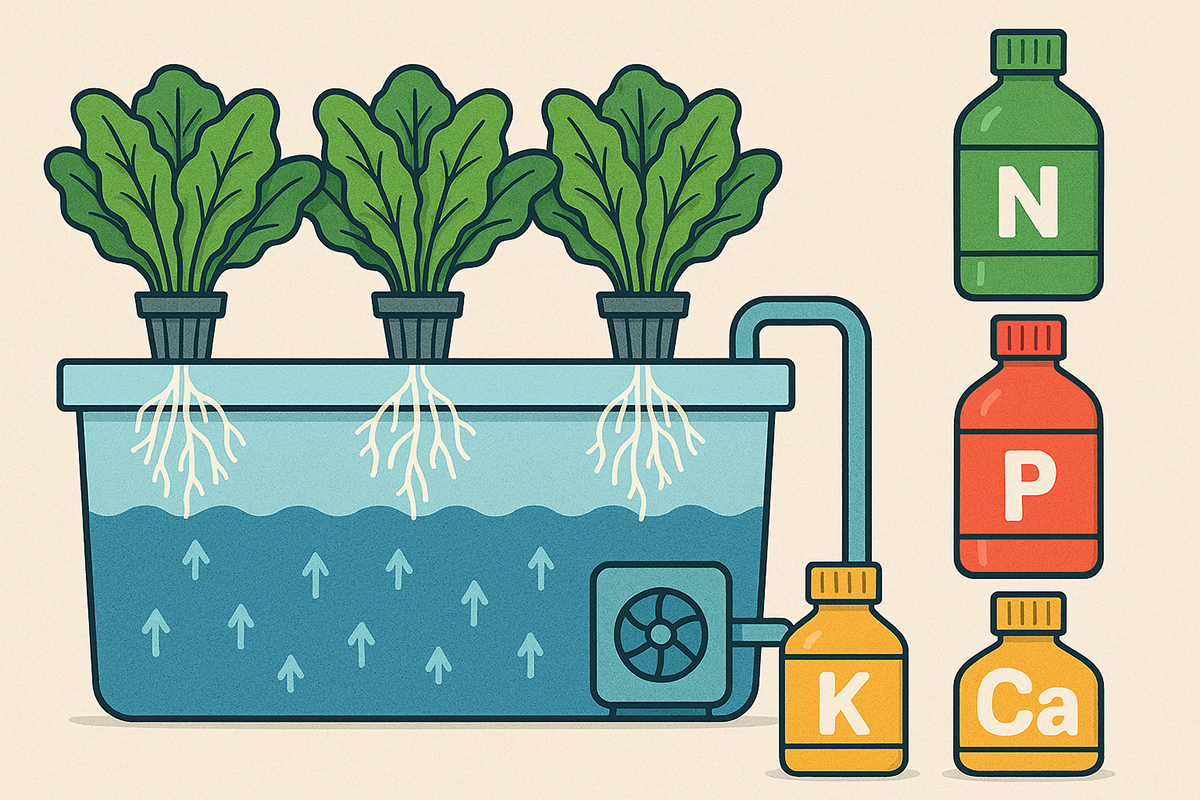
At its core, hydroponics means feeding plants directly through water instead of soil. The roots absorb nutrients more efficiently, which leads to faster growth and healthier plants.
At its core, hydroponics means feeding plants directly through water instead of soil. The roots absorb nutrients more efficiently, which leads to faster growth and healthier plants.
Why hydroponics works well at home
Hydroponics is particularly suitable for home use because it:
- Requires less space than traditional gardening
- Uses water more efficiently
- Produces cleaner, more predictable results
- Works indoors with artificial lighting
- Allows year-round growing regardless of climate
Common home hydroponic systems
For beginners, simplicity is key. The most common systems for home use include:
- Deep Water Culture (DWC): Plants sit in a nutrient solution with oxygenated water. Easy to manage and ideal for leafy greens.
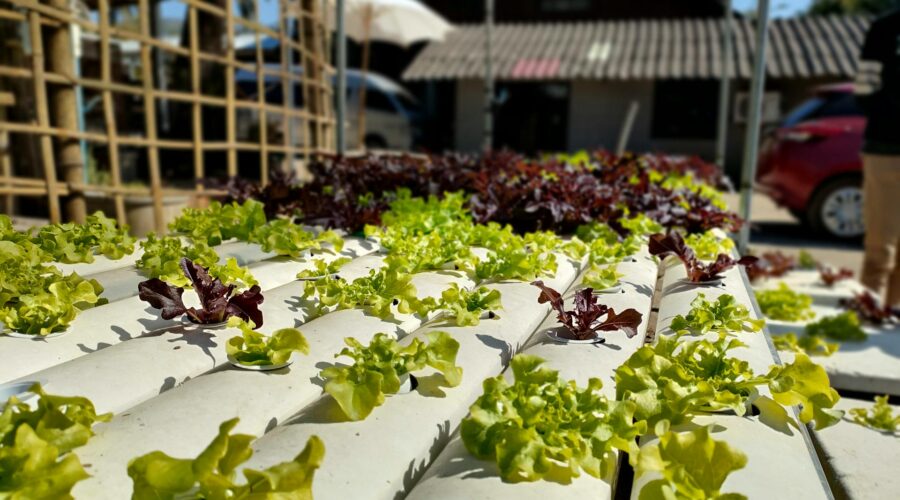
- Nutrient Film Technique (NFT): A thin flow of nutrient solution runs past plant roots. Compact and efficient.
- Vertical systems: Stack plants upward to maximize space, often used for herbs and salads.
Choosing the right system depends on your available space, the types of plants you want to grow, and how much time you want to spend on maintenance.
What You Need to Start Home Hydroponics
A home hydroponic setup consists of a few essential components. Understanding their roles helps you build a system that is easy to manage and scalable:
Hydroponic structure: Holds plants and allows roots to access water and nutrients. This can be a tray, pipe system, or vertical tower.
Grow lights: Since most home systems are indoors, artificial lighting replaces sunlight. LED grow lights are commonly used because they provide the right light spectrum for plant growth while generating little heat.
Water reservoir: Stores the nutrient solution that feeds your plants. The size depends on how many plants you grow.
Pumps and circulation: Small pumps move water and oxygen through the system, keeping nutrients evenly distributed and roots healthy.
Growing medium: Materials such as coco coir, rockwool, or clay pebbles support the plant while allowing roots to breathe.
Basic monitoring tools: Simple tools to check water acidity (pH) and nutrient levels help maintain stable growing conditions.
Choosing What to Grow and Managing Consumables
If you’re new to hydroponics, start with fast-growing, low-maintenance plants:
Excellent beginner choices
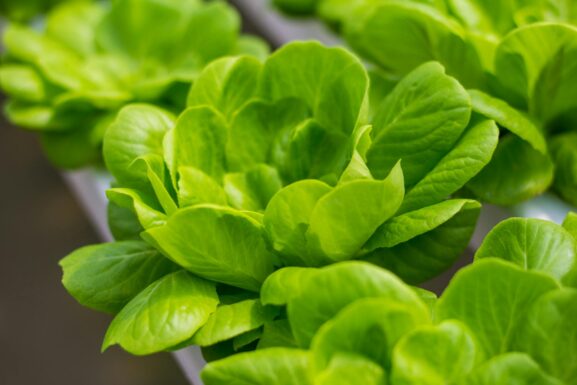
- Lettuce
- Spinach
- Arugula
- Basil
- Mint
- Parsley
- Cilantro
These plants grow quickly, tolerate small mistakes, and provide visible results in a short time.
For more experienced home growers
- Strawberries
- Cherry tomatoes
- Compact peppers
These require more attention to lighting, nutrients, and pruning but are very rewarding once you gain confidence.
Seeds, nutrients, and water management
Seeds: Use untreated or hydroponic-friendly seeds. Most leafy greens and herbs germinate quickly and reliably in hydroponic conditions.
Nutrients: Hydroponic nutrients replace soil nutrients and provide plants with essential elements such as nitrogen, potassium, calcium, and magnesium. Beginners should use pre-mixed nutrient solutions designed specifically for hydroponics.
Water: Hydroponic systems recycle water continuously. Regular top-ups and occasional water changes keep the system stable and efficient.
Planning Your Setup with Smart Tools
One of the most important aspects of starting home hydroponics is understanding how your available space, plant choice, and system type interact. Instead of guessing, using calculators and simulators allows you to:
- Estimate how many plants fit your space
- Understand the required system size
- Anticipate ongoing consumable needs
- Adjust your setup before investing in equipment
Smart planning tools remove uncertainty and help beginners start with confidence rather than trial and error.
Home hydroponics is one of the easiest and most accessible ways to grow fresh food at home. With the right system, basic equipment, and plant choices suited for beginners, anyone can start producing leafy greens and herbs in a clean, efficient, and sustainable way.
Starting small, learning gradually, and planning your setup carefully are the keys to success. Hydroponics is not about complexity—it’s about control, simplicity, and consistency. With the right guidance and tools, your first harvest can be closer than you think.