Choosing the Right Nutrients for Home Hydroponics: A Simple Guide for Beginners
- By Hydro-Farms.com
- Comments are off
When people first discover hydroponics, lighting and systems often get most of the attention. Yet nutrients are just as important. In hydroponics, nutrients replace soil entirely, meaning they are the plant’s only source of essential minerals. Understanding how to choose and manage nutrients is one of the most important steps for success—especially for beginners growing leafy greens, herbs, or berries at home.
This article explains what hydroponic nutrients are, how to choose them based on what you want to grow, and how to manage them over time. Everything is written in simple language, without assuming technical knowledge. By the end, you’ll understand what nutrients do, why they matter, and how to use them confidently in a home setup.
What Hydroponic Nutrients Are and How to Start
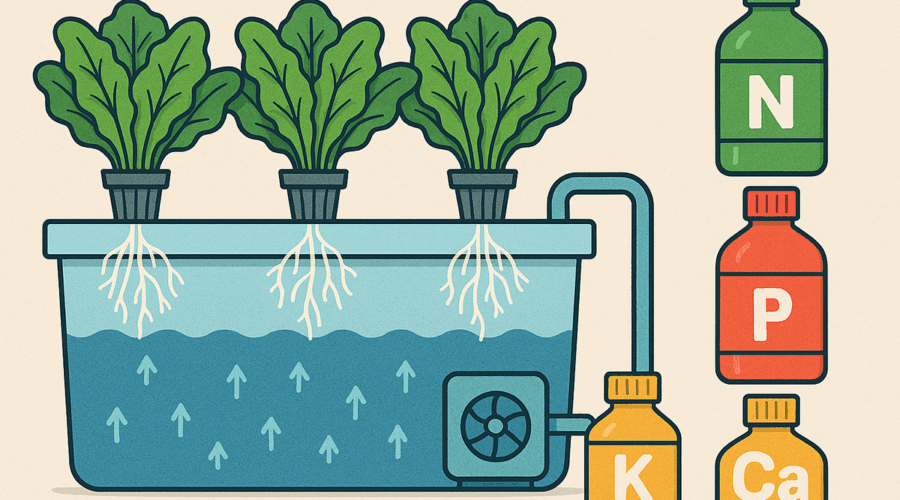
In traditional gardening, soil contains minerals that plants absorb through their roots. In hydroponics, there is no soil, so these minerals must be dissolved directly into the water. This nutrient solution feeds the plants and supports every aspect of their growth, from root development to leaf production and fruit formation.
Hydroponic nutrients are typically sold as liquid or powder concentrates that are mixed with water. Most beginner-friendly products come as a two- or three-part formula designed to be easy to use and balanced for common crops.
When starting out, the most important rule is simplicity. Beginners do best with complete, pre-formulated nutrient solutions designed specifically for hydroponics. These products already contain the correct balance of essential elements, reducing the risk of mistakes.
It’s also important to understand that more nutrients do not mean faster growth. Overfeeding can stress plants and cause nutrient burn. Healthy hydroponic growing is about balance, consistency, and moderation.
Starting with the right nutrients means choosing a product that matches your crop type and following the manufacturer’s instructions closely. Once your system is stable, nutrient management becomes routine rather than complicated.
Nutrients by Type of Production: Leafy Greens, Herbs, and Berries
Different plants have different nutritional needs. While all plants require the same basic elements, the proportions vary depending on how the plant grows and what part of the plant you harvest.
Leafy greens
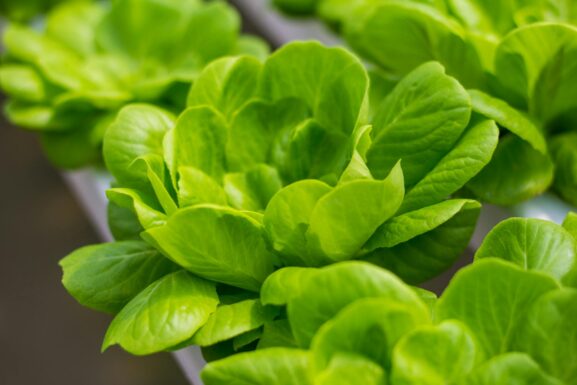
Leafy greens such as lettuce, spinach, arugula, and kale focus almost entirely on leaf growth. These plants thrive on nutrient solutions that emphasize nitrogen, which supports lush, green leaf development. They do not require high levels of phosphorus or potassium because they are not grown for flowers or fruits.
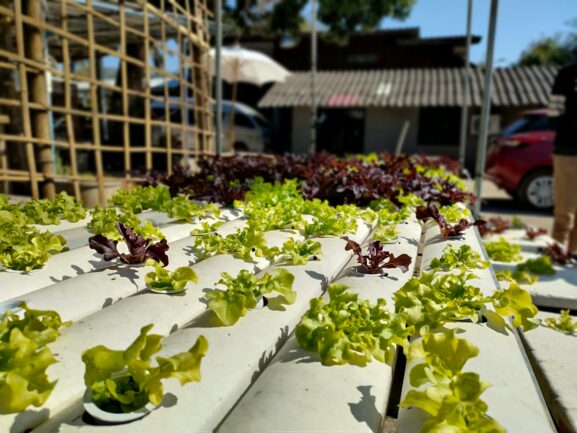
For home growers, leafy greens are forgiving and perform well with mild nutrient concentrations. This makes them ideal for beginners and low-maintenance systems. Stable water conditions and consistent feeding are more important than complex nutrient adjustments.
Herbs
Herbs such as basil, parsley, cilantro, and mint fall somewhere between leafy greens and fruiting plants. They still rely heavily on nitrogen for leaf growth, but flavor and aroma depend on proper mineral balance.
Herbs benefit from slightly more diverse nutrient profiles, including calcium and magnesium, which support plant structure and essential oil production. While still beginner-friendly, herbs respond well to steady nutrient levels and good water quality.
Berries
Berries, such as strawberries grown hydroponically, have more complex needs. Unlike leafy greens and herbs, berries produce flowers and fruit, which increases their demand for phosphorus and potassium.
Home growers can still grow berries successfully, but nutrient management must be more precise. Many nutrient brands offer formulations specifically designed for fruiting plants, making it easier to meet these needs without advanced calculations.
Understanding the type of plant you are growing helps you choose the right nutrient formulation and avoid common problems such as slow growth or poor yields.
Understanding Nutrient Functions and Monthly Management
Hydroponic nutrients are made up of macro- and micronutrients, each playing a specific role in plant health. While you don’t need to memorize chemical names, understanding their function helps you recognize what plants need.
Nitrogen supports leaf growth and overall plant vigor. Phosphorus supports root development and flowering. Potassium helps regulate water movement and strengthens plant tissues. Calcium supports strong cell walls, magnesium aids photosynthesis, and trace elements help regulate enzyme activity.
In a home hydroponic system, you rarely need to adjust individual nutrients. Complete solutions provide everything plants need when mixed correctly. The key is maintaining stable conditions over time.
Monthly nutrient management is straightforward. Most home growers refresh their nutrient solution regularly rather than constantly adjusting it. This prevents nutrient imbalances and keeps plants healthy.
Good practices include checking water levels, topping up with fresh nutrient solution when needed, and replacing the solution periodically. Keeping the system clean also helps nutrients work effectively and prevents buildup.
Plants often communicate nutrient issues through their leaves. Pale leaves, slow growth, or unusual discoloration can indicate imbalance. However, in most beginner systems, problems are more often caused by inconsistent watering or lighting than by nutrients themselves.
Consistency is the most important factor. Stable nutrient levels, rather than perfect formulas, produce the best results for home growers.
Choosing the right nutrients is one of the most important aspects of successful home hydroponics, but it doesn’t need to be complicated. By using complete hydroponic nutrient solutions and matching them to your type of production, you can grow healthy leafy greens, flavorful herbs, and productive berries at home.
For beginners, simplicity is key. Start with easy crops, follow nutrient instructions carefully, and focus on consistency rather than optimization. Over time, managing nutrients becomes second nature and part of a simple routine.
Hydroponic nutrients are not just plant food—they are the foundation of the entire growing system. When managed properly, they allow plants to grow efficiently, cleanly, and predictably, making home hydroponics an accessible and rewarding experience.