Growing Leafy Greens at Home with Hydroponics: A Beginner-Friendly Guide
- By Hydro-Farms.com
- Comments are off
Hydroponics is changing the way people grow food at home. Instead of relying on soil, hydroponic systems use water and nutrients to grow plants efficiently in small spaces. For beginners, leafy greens are the perfect place to start: they grow quickly, require little maintenance, and fit easily into indoor environments.
This article is designed for people who are new to hydroponics and curious about growing their own leafy greens at home. It explains what hydroponics is, how to get started, how to maintain your system over time, and whether hydroponically grown greens are healthy for personal consumption. The goal is to make the topic clear, practical, and accessible—even if you’ve never grown anything before.
Understanding Hydroponics and Why Leafy Greens Are Ideal
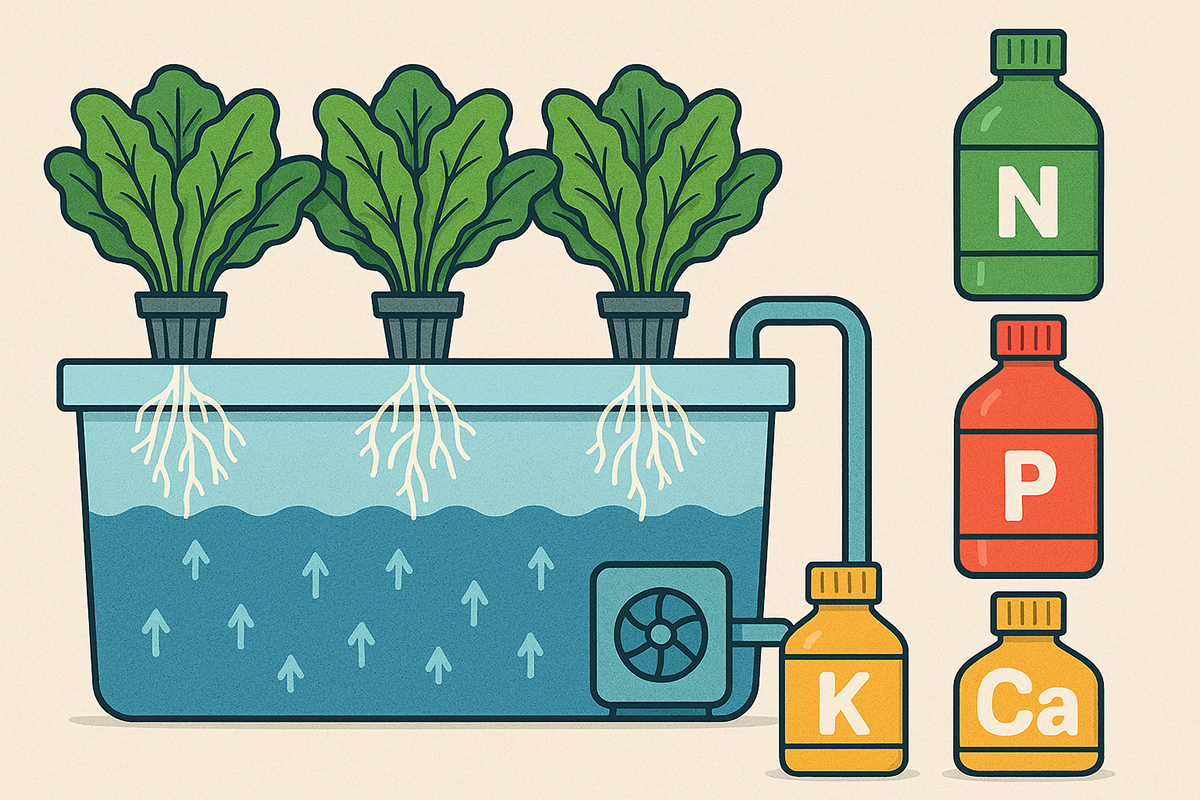
Hydroponics is a method of growing plants without soil. Instead, plant roots receive water mixed with nutrients that support growth. Because nutrients are delivered directly to the roots, plants grow faster and more efficiently than in traditional soil-based gardening.
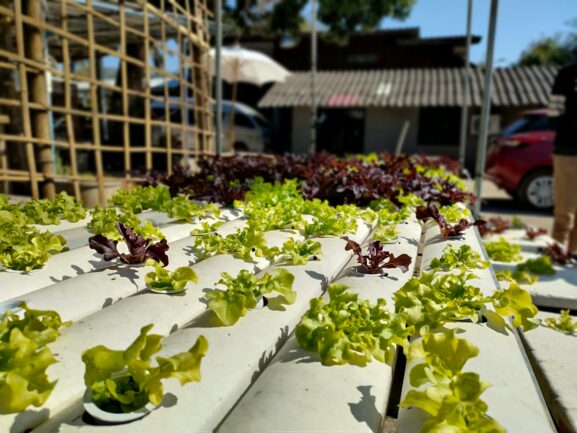
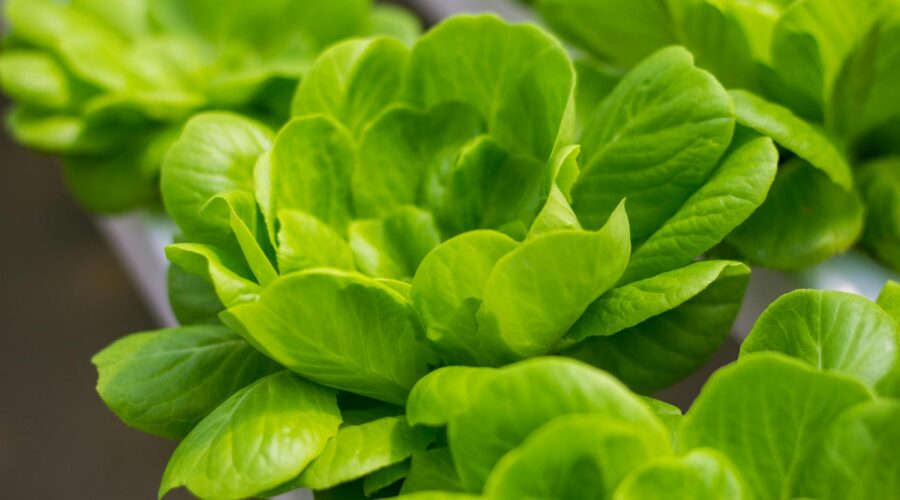
Leafy greens are especially well suited for hydroponics. They have shallow root systems, short growth cycles, and do not require flowering or pollination. This makes them forgiving plants for beginners and ideal for indoor environments. Lettuce, spinach, arugula, kale, and many herbs respond extremely well to hydroponic conditions.
Another reason leafy greens are popular in hydroponics is consistency. With stable light, water, and nutrients, plants grow uniformly and can be harvested continuously. Instead of waiting for a full harvest, you can cut leaves as needed and allow the plant to keep producing.
Hydroponics also offers practical advantages for home use. It uses less water than soil gardening, creates less mess, and avoids many common pests. Since plants are grown indoors, you are not dependent on seasons or weather conditions, which means fresh greens can be grown year-round.
How to Start Growing Leafy Greens at Home
Starting hydroponics at home does not require advanced technical knowledge or a large investment in space. Many people begin with a compact system placed in a kitchen, living area, or spare room.
The foundation of any hydroponic setup includes a container for water, a way to support plants, a light source, and a method to circulate or oxygenate the water. For leafy greens, simple systems such as deep water culture or small nutrient-flow systems are commonly used. These systems keep roots moist, oxygenated, and continuously fed with nutrients.
Lighting plays a critical role in indoor hydroponics. Since plants rely on light for photosynthesis, artificial grow lights are used to replace sunlight. Modern LED grow lights are efficient, long-lasting, and well suited for leafy greens. They provide the light spectrum plants need without generating excessive heat.
Seeds are typically started separately before being placed into the main system. Leafy greens germinate easily, and once small roots appear, seedlings can be transferred into the hydroponic setup. From there, growth is fast and visible, often noticeable within days.
What makes hydroponics approachable for beginners is how controlled the environment is. Instead of dealing with unpredictable soil conditions, you manage a small number of variables: light, water, and nutrients. Once these are stable, plants largely take care of themselves.
Follow-Up, Personal Consumption, and Health Considerations
After setup, hydroponic systems require light but consistent attention. This usually involves checking water levels, ensuring lights follow a daily schedule, and keeping the system clean. Unlike soil gardening, there is no weeding, digging, or soil replacement, which makes maintenance simpler and cleaner.
Leafy greens grow quickly, and harvesting is part of the maintenance process. Regular harvesting encourages new growth and prevents overcrowding. Many home growers harvest small amounts frequently rather than waiting for full maturity, which keeps plants productive and fresh.
In terms of personal consumption, home hydroponics can easily supplement or replace store-bought leafy greens. Instead of buying pre-packaged salads, you can harvest only what you need, reducing food waste and ensuring maximum freshness. This is particularly appealing for people who value freshness and control over how their food is produced.
A common question is whether hydroponically grown greens are healthy. The answer is yes. Hydroponic plants receive balanced nutrients and grow in clean environments, often resulting in produce that is just as nutritious as soil-grown alternatives. Because there is no soil, the risk of soil-borne contamination is reduced, and pesticide use is often minimal or unnecessary.
Many commercial farms, restaurants, and grocery suppliers rely on hydroponics precisely because it produces consistent, high-quality food. For home growers, the benefit is not only health-related but also educational. Growing your own food builds awareness of nutrition, sustainability, and resource use.
Hydroponics offers a simple and effective way to grow leafy greens at home, even for complete beginners. By starting with easy-to-grow plants like lettuce and herbs, you can experience quick success while learning the fundamentals of soil-free growing.
The process is clean, efficient, and adaptable to modern living spaces. With basic equipment and regular follow-up, home hydroponics can become a reliable source of fresh greens for personal consumption. Beyond the harvest itself, it encourages healthier eating habits and a closer connection to food production.
For anyone curious about growing food at home without a garden, hydroponics is an accessible and rewarding starting point.